How One Dog’s Heartbreak Turned Into a Beautiful Mission to Help Others
A Story That Breaks — and Warms — the Heart
Every dog has a story. Some start with joy and companionship, others begin in hardship and loss. But few stories are as heart-wrenching — and ultimately inspiring — as that of Daisy, a golden retriever who lost her puppies and then found her calling in the most unexpected way.
This article isn’t just about Daisy. It’s about loss, healing, and how animals, just like humans, can discover new meaning after tragedy. We’ll explore real-life rescue stories, how maternal instincts play out in dogs, and how you — as a pet lover — can support dogs on their journeys of healing and purpose.
Let’s dive into Daisy’s story and uncover how her pain gave birth to purpose — and how many other dogs walk similar paths of loss and redemption.
Daisy’s Story: A Mother Without Puppies

Daisy was rescued from a backyard breeding situation in rural Texas. By the time rescuers arrived, she had already delivered a litter — but none of her puppies survived due to malnutrition and poor care.
She was weak, depressed, and refused to eat. Her body was recovering, but her spirit was shattered.
Shelter staff at Hope Haven Rescue Center reported how Daisy would pace, searching for her puppies. She’d lie down in the corner of her kennel, facing the wall. It was clear: she was grieving.
Veterinarians confirmed what animal behaviorists already knew — dogs can and do grieve the loss of their young. And like humans, they can heal, too — with time, support, and sometimes… a second chance at motherhood.
Can Dogs Really Grieve?
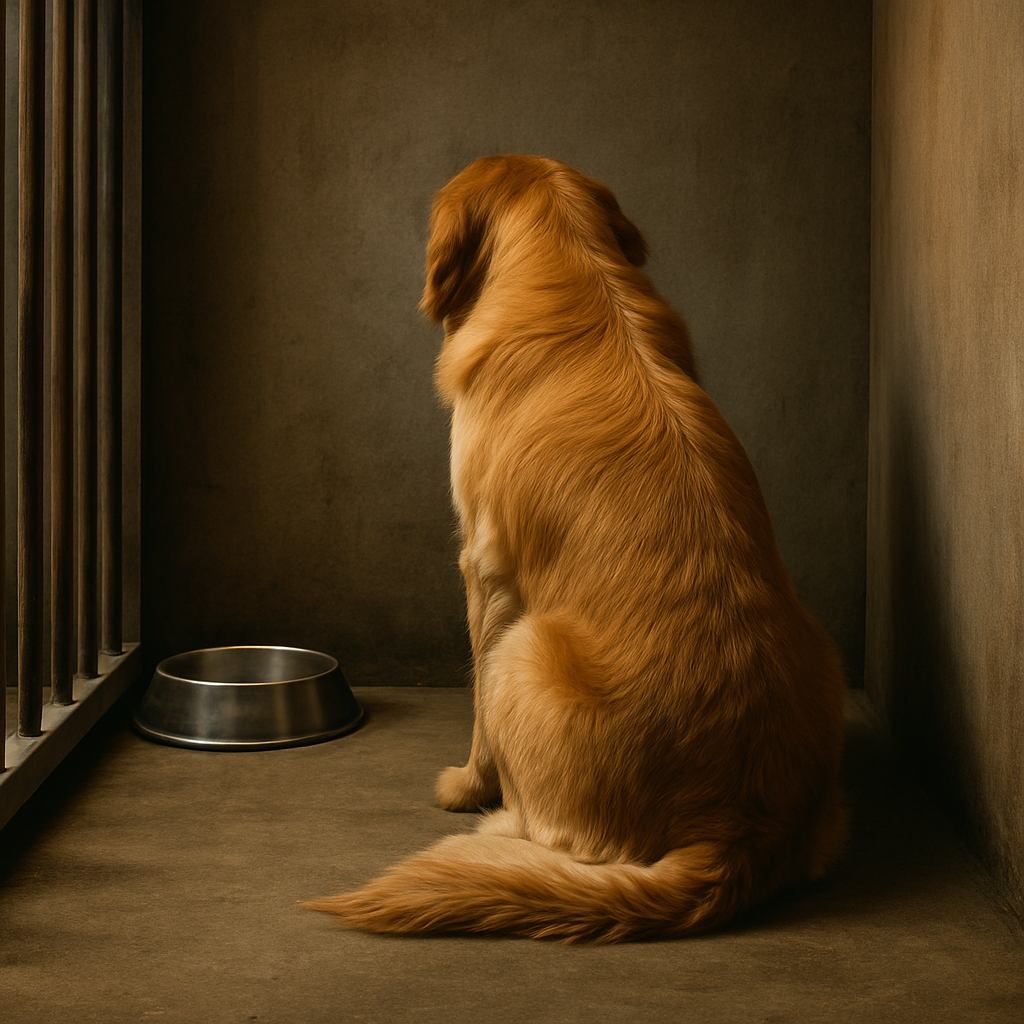
Yes, and the science backs it.
Dogs form deep emotional attachments — to their humans, littermates, and especially their offspring. According to a study by the American Kennel Club Canine Health Foundation:
“Mother dogs show clear behavioral signs of distress following separation from or loss of puppies, including whining, decreased appetite, and lethargy.”
Grief in dogs may include:
- Searching or pacing
- Lack of interest in food or play
- Withdrawal from social interactions
- Vocalizations like whining or howling
- Excessive grooming or licking of nesting areas
Grieving varies in length and intensity — just like in humans. And while it’s heartbreaking to witness, dogs are also incredibly resilient.
A Surprising Twist: Daisy Meets Orphaned Puppies
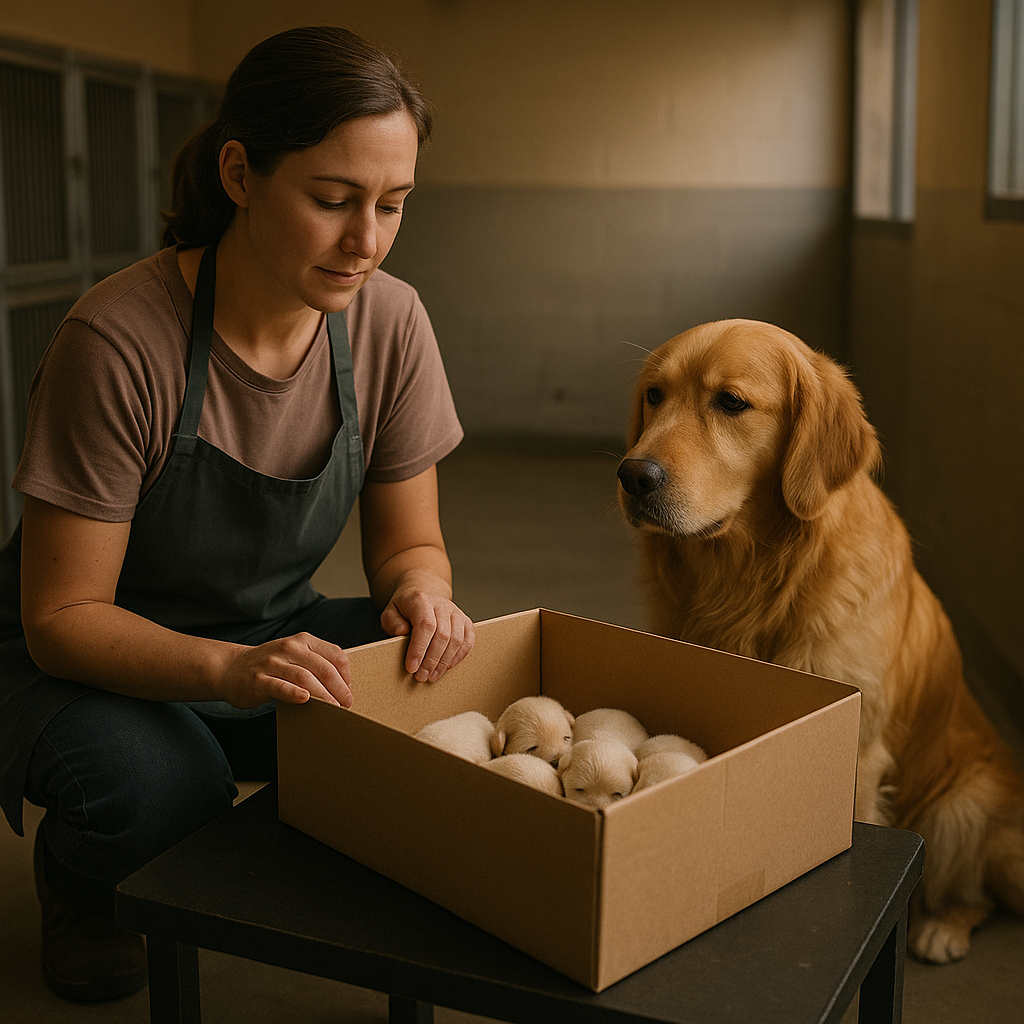
Three weeks into her recovery, shelter volunteers received a box of abandoned puppies — barely two days old, likely from a backyard litter dumped anonymously at the shelter’s door.
They were too young for solid food and desperately needed a foster mother. Bottle-feeding was an option, but it meant round-the-clock care and limited chances of survival.
Then one staff member had an idea: What if Daisy could help?

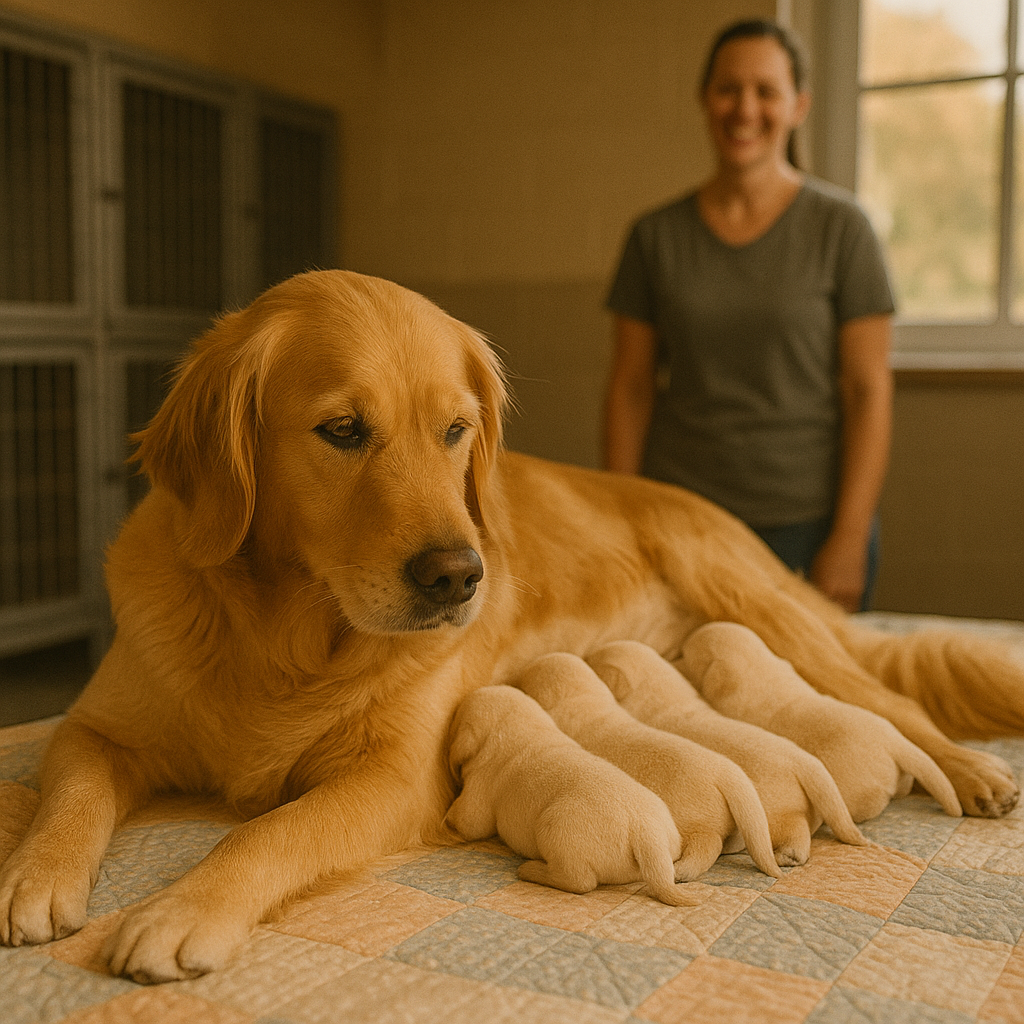
After a cautious introduction, something amazing happened. Daisy’s ears perked up. Her tail moved gently. She stepped toward the shivering puppies and lay down.
The puppies instinctively nuzzled toward her, and within minutes, Daisy accepted them.
Veterinarians monitored the situation closely, and with some hormonal support and careful nursing, Daisy’s milk returned. Over the next few weeks, she became a devoted foster mom — licking, feeding, guarding, and even cuddling the pups as if they were her own.
How Dogs Find New Purpose After Loss
Daisy’s story is not unique.
Many mother dogs who lose their litters show instinctive caregiving behavior toward orphaned puppies or even kittens. Rescue organizations around the world have witnessed dogs who, after tragedy, go on to help nurture or comfort others.
Some dogs:
- Become surrogate mothers to orphaned animals
- Get trained as emotional support dogs or therapy dogs
- Assist in trauma recovery programs for humans
- Find comfort in roles like “greeter” dogs at shelters
These roles not only help other animals or people — they provide the grieving dog with a renewed sense of connection and meaning.

Why Dogs Thrive on Purpose and Routine
Dogs are pack animals. They’re wired for connection, caregiving, and roles within a social structure. When their role as a mother or companion is suddenly gone, they feel that loss deeply.
Here’s how purpose helps them recover:
- Routine restores stability: Predictable schedules ease anxiety.
- New bonds build hope: Forming connections helps fill emotional gaps.
- Helping others = healing: Like humans, animals benefit from caregiving roles.
A 2019 study published in Animal Cognition found that dogs showed decreased stress levels when involved in helping or interactive tasks — suggesting that having a “job” or role supports emotional health.
How Shelters Use This Instinct to Save Lives
Today, many shelters pair grieving or nurturing dogs with vulnerable puppies. It’s called cross-nurturing, and it often increases survival rates.
Cross-Nurturing Examples:
- Rosie, a beagle who lost her puppies, fostered an entire litter of orphaned kittens.
- Maya, a German Shepherd rescued from hoarding conditions, helped raise five malnourished pups after her own litter was stillborn.
- Bella, a Great Pyrenees, became a foster mom to 13 puppies over two years, even though she never had puppies of her own.
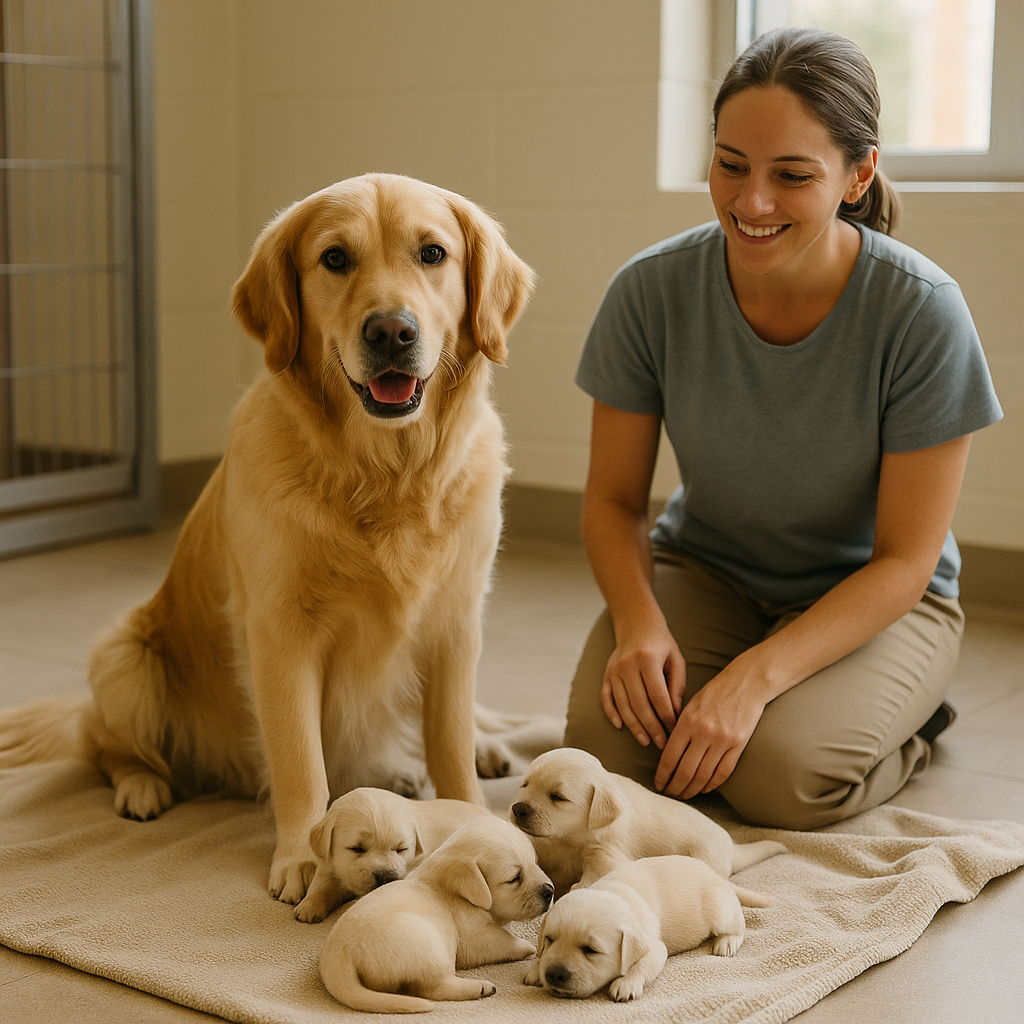
This strategy doesn’t just save lives — it helps emotionally restore dogs like Daisy and Rosie, allowing them to experience love, bonding, and the natural role of nurturer again.
Recognizing and Supporting Grieving Dogs at Home
If your dog experiences a loss — whether of puppies, a companion animal, or even a human — there are steps you can take to help them heal.
Signs Your Dog May Be Grieving:
- Lethargy or hiding
- Change in appetite
- Increased clinginess or separation anxiety
- Sleep disturbances
- Whining or howling
How to Help:
- Maintain a routine – Stick to regular walks, meals, and play.
- Offer gentle comfort – Extra affection, brushing, or quiet time can help.
- Stimulate mentally – Puzzle toys and light training help redirect focus.
- Consider a companion – Some dogs benefit from a new friend after time.
- Seek veterinary advice – If symptoms persist, professional help is key.
- Real-Life Rescues: Dogs Who Transformed After Loss
Let’s look at two other powerful examples of dogs who found purpose after tragedy:
Luna, the Rescued Street Dog
Luna was found near a highway with visible signs of having nursed recently — but no puppies in sight. Rescuers suspect her puppies were sold or taken.
Luna was initially withdrawn and reactive. But after being introduced to a group of newly rescued pups, she showed protective instincts. Within days, she was caring for them and even began responding to her name again.
Today, Luna is a certified therapy dog at a senior care home.
Rocky, the Retired Breeding Dog
Rocky, a 6-year-old French Bulldog, was surrendered by a breeder after repeated failed litters.
After rescue and neutering, he became noticeably calmer around nursing dogs and often lay beside foster mothers, offering warmth and comfort. Shelter staff called him the “doggy doula.”
Rocky now lives with a veterinary technician who fosters litters — and Rocky continues to be their gentle companion through each new batch of fosters.
The Power of Nurture: Why Dogs Like Daisy Make Exceptional Foster Moms
Daisy didn’t just nurse her puppies — she gave them something more powerful: emotional safety.
Dogs raised by nurturing foster mothers often display:
- Better social behavior with humans and other animals
- Improved stress resilience during adoption and rehoming
- Faster weaning and potty-training success
Animal behaviorist Dr. Jill Dutton explains: > “The nurturing behavior of a calm adult dog can significantly influence the emotional development of puppies, especially those who’ve had a traumatic start.”
That’s why dogs like Daisy are often placed on a “rotation” — helping care for multiple litters over time, especially in foster homes that regularly take in abandoned newborns.
Beyond Puppies: Dogs Who Heal Through Human Connection
Not every grieving dog becomes a foster mom. Some find a completely different kind of purpose: healing people.
Therapy Dogs: Turning Loss Into Comfort
Therapy dogs work in:
- Hospitals and cancer treatment centers
- Schools and reading programs
- Disaster relief efforts
- Veteran rehabilitation programs
- Grief support centers and hospices
Dogs that have experienced loss or hardship often relate subtly to the energy of hurting humans. Their quiet presence, soulful eyes, and calming energy help break through emotional walls.
Example: Ellie the Pit Mix
Ellie lost her litter during a house fire. Months later, she was adopted by a trauma counselor. Today, she visits grief groups for teens once a week, where her calm demeanor and cuddles help kids open up.
Psychological Insights: How Dogs Cope and Adapt
Just like people, dogs rely on coping mechanisms to move through grief.
Here are some strategies dogs subconsciously use — and how you can support them:
- Redirected Purpose
Dogs who’ve lost a role (like motherhood) seek new jobs.
Give your dog light tasks: carrying a toy, greeting guests, “babysitting” another pet.

- Sensory Comfort
Smells and textures help regulate their emotions. Provide familiar blankets or items that mimic puppy smells for grieving mothers.
- Pack Reintegration
Dogs naturally find their identity in a pack. Reintroduce them to structured playgroups, training classes, or multi-dog homes (slowly and gently).
- Safe Expression
Some dogs vocalize grief. Instead of shushing, allow howling or whimpering in short bursts — it’s emotional release.
Veterinarians suggest that emotionally expressive dogs are more likely to fully heal than those who suppress grief.

Helping Children Understand Grieving Dogs
If you have kids in the home and a dog going through grief, it’s a valuable teaching moment.
Tips for involving kids:
- Let them make “care kits” with treats and toys for the dog.
- Have kids read stories to the grieving dog (great bonding and literacy boost!).
- Explain grief in simple terms: “She misses her puppies, just like we’d miss someone we love.”
Helping children develop empathy for animals fosters emotional intelligence and compassion — lifelong skills that benefit both humans and animals.
Creating a Purposeful Environment for a Healing Dog
You don’t need a litter of puppies or a therapy license to give a grieving dog new purpose. Here’s how any dog owner can create a healing, mission-driven environment at home.
Ways to Give Your Dog Purpose:
Teach a new job (e.g., fetching the newspaper, helping with laundry, or “guarding” the mailbox)
Try canine scent work
Dogs love “working” their nose. It boosts confidence and reduces anxiety.
Start mini agility or brain games
Use puzzle feeders, stair climbing, or obstacle courses in your yard.
Volunteer together
Some shelters allow “ambassador dogs” to greet visitors or mentor shy rescues.
Pet-assisted reading
Let neighborhood kids or your own children read to your dog — calm attention helps both parties.
Dogs thrive when they feel included and helpful — even small, consistent tasks can help them feel like they matter again.
What Daisy Teaches Us About Second Chances
Daisy’s story resonates not just because she lost — but because she learned to give again.
She didn’t forget her grief. But she didn’t let it define her.
Her life proves something vital: Healing doesn’t mean going back to who you were. It means becoming someone new — with deeper love, stronger empathy, and a heart big enough to help others heal, too.
For dogs like Daisy — and for many of us — tragedy can be the beginning of a purpose-filled life.
Final Thoughts

Whether you’re a dog parent, foster volunteer, or animal lover, there’s a message in Daisy’s journey:
Loss doesn’t have to end a story. Healing happens in connection.
Purpose can be found in the most unexpected places — sometimes, in the tiny eyes of a new litter, or in the warmth of a human hug.
So the next time you meet a dog with sadness in her eyes, remember: she might just be waiting for her second chapter to begin.
🌼 Help Write That Next Chapter
Foster. Donate. Share.
Your small act might give a grieving dog the chance to become someone else’s whole world.